Collaborators: Nayarí Castillo & Hanns Holger Rutz
Partners in Mexico: Toni Arellano (Musician) & Mónica Quintini Wissmann (curator)
Framework: Exhibition Comrade Conrade in cooperation with Kunst im öffentliche Raum Steiermark
Funding: Stadt Graz Kultur, Land Steiermark
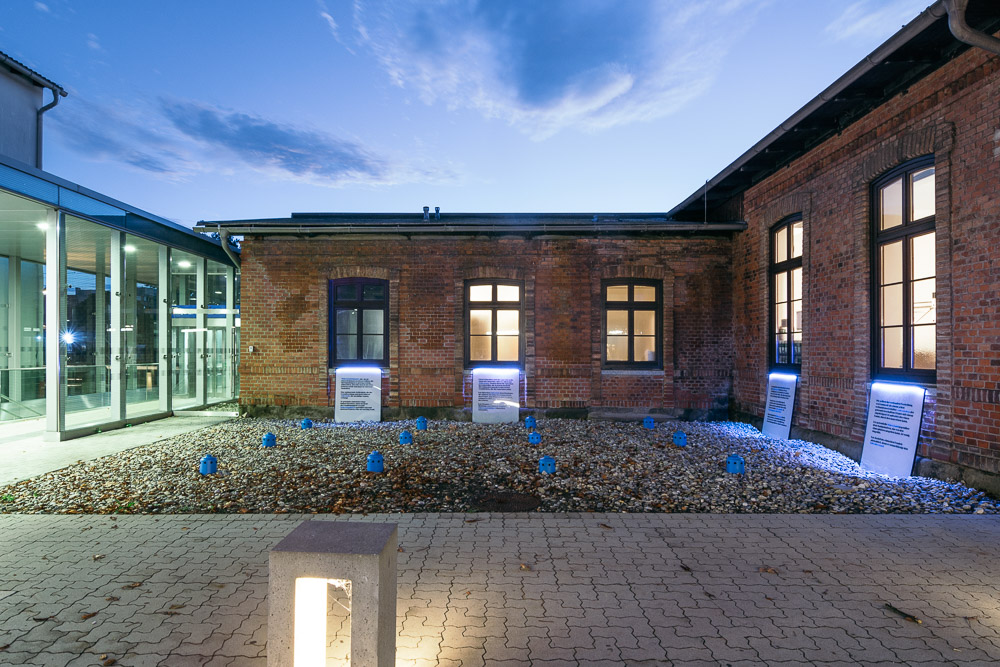
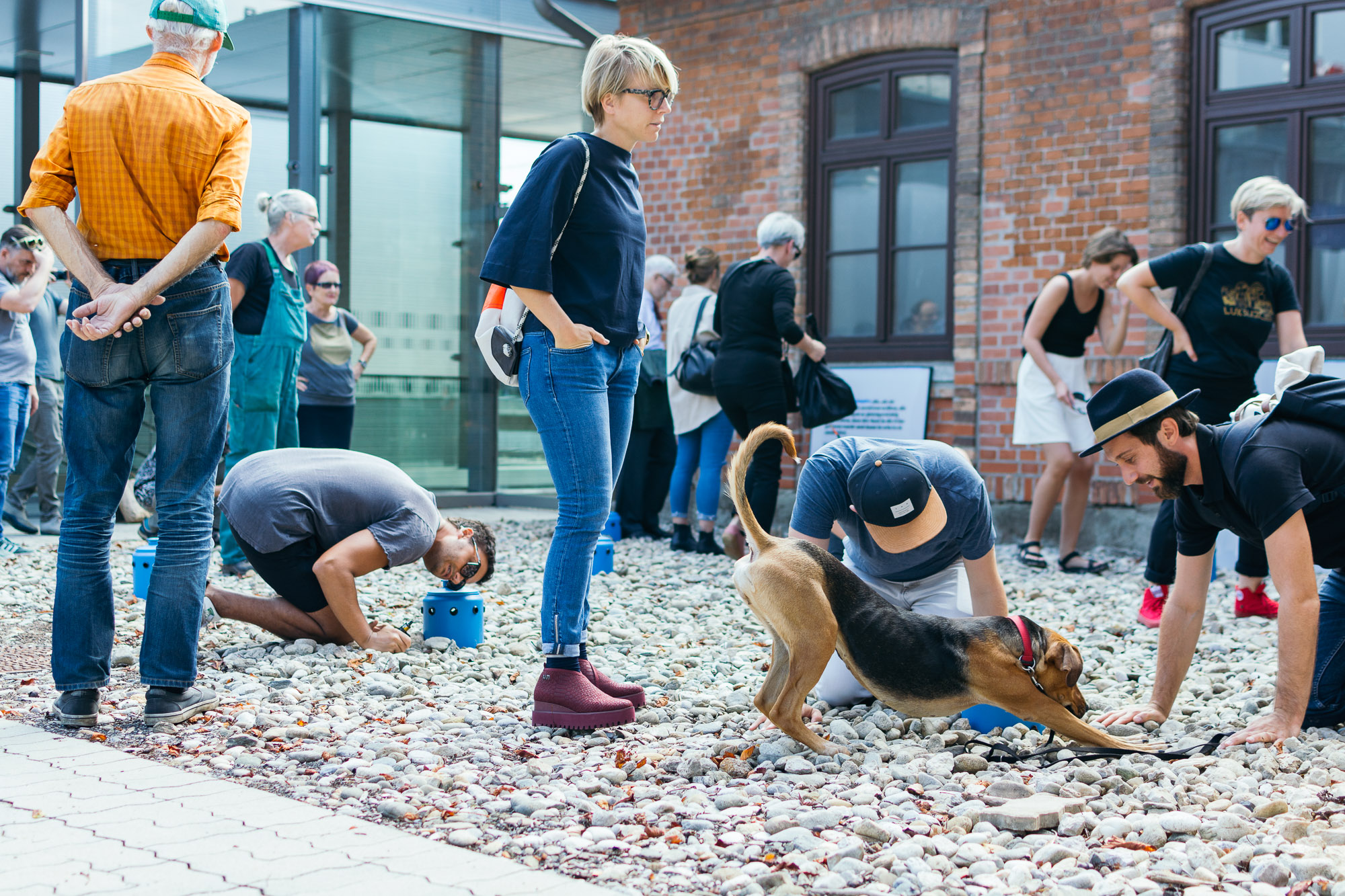
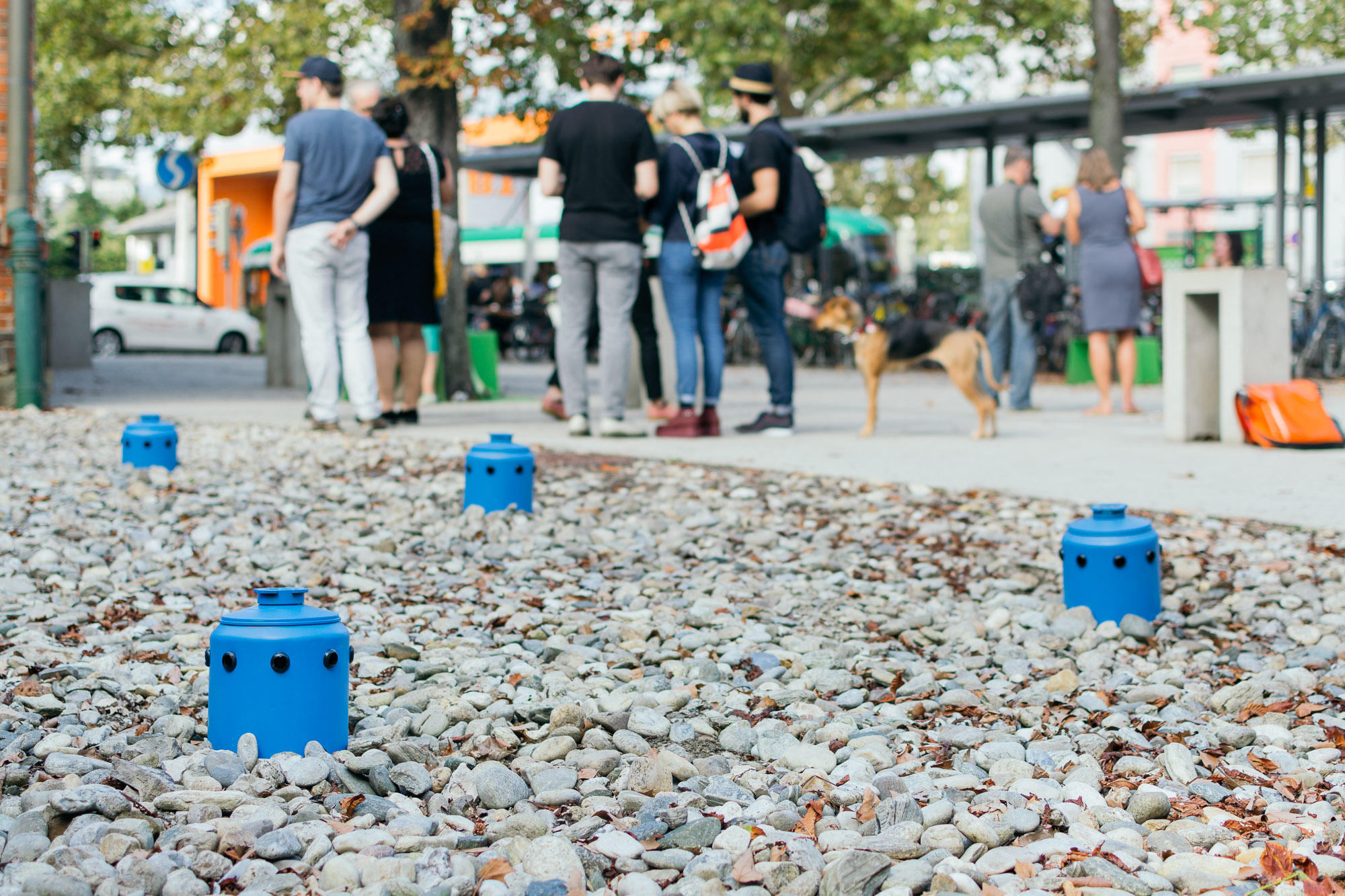
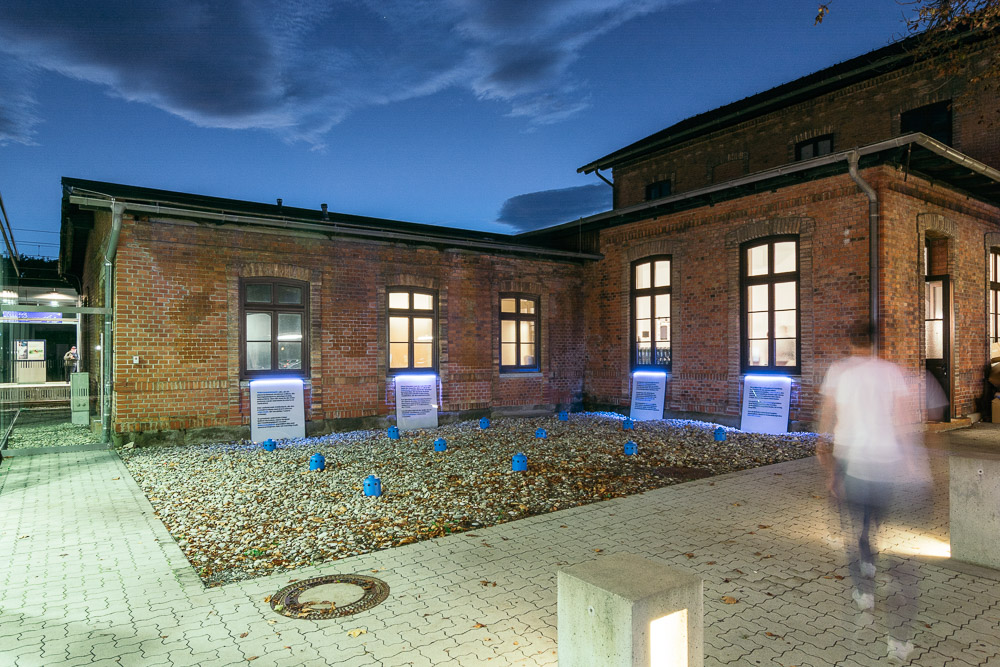
Materials: light sources, plastic banners, vinyl text, coffee boxes, speakers, cables, mini-computers.
Specific Location: Ost Bahnhof, Graz, AT
Mexico was the only state in the world that brought on 19 March 1938 a formal protest before the League of Nations against the annexation of Austria to Nazi Germany. In their work, Mexican Tumulus, Nayari Castillo (Installation Artist) and Hanns Holger Rutz (Sound Artist) refer to a colony of German-speaking exiles in Mexico during the National Socialist era. For example, Irma Römer and the people of the Exile Salon dedicated their lives to resisting tyranny, using creative means to advance freedom and to establish spaces for resistance discourse in their new homeland.
Exile means painful separation, but also the chance to build new things. For example, the artist and native Austrian Wolfgang Paalen created the surrealist magazine DYN in Mexico and co-organized the first Latin American exhibition of surrealism. This sound-space installation is an ode to those who resisted in times of darkness. The East Railway Station in Graz was also the stopover of the death march of Hungarian Jews in April 1945, during National Socialism, which is the contextual container of the piece.
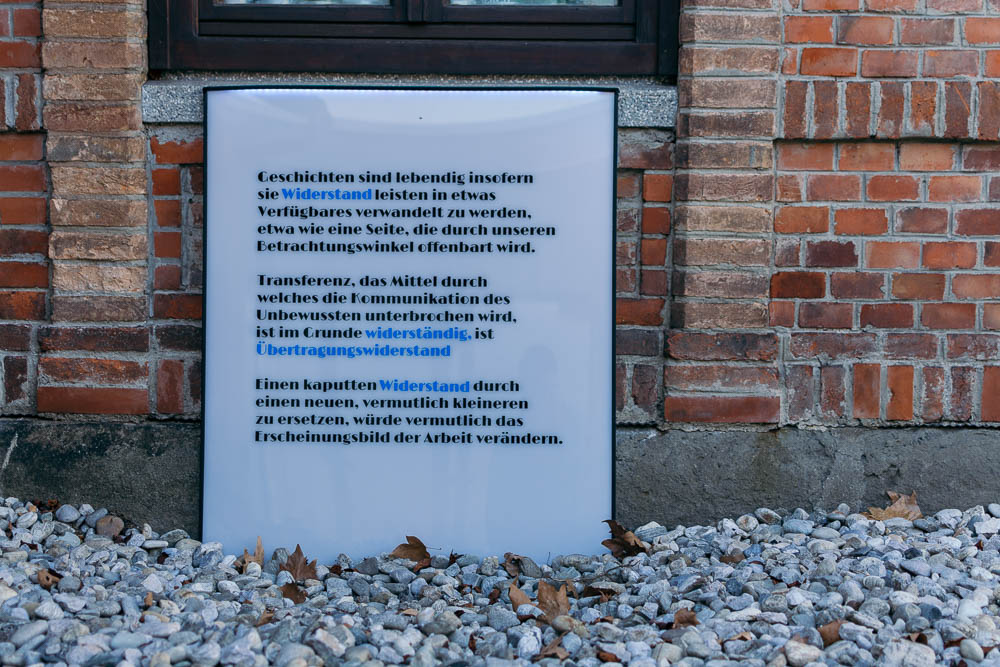
The installation used poetic means to construct intellectual and metaphorical bridges between Mexico and Austria based on the transfer of current sky data and acoustic resonances from Mexico City to Graz, as well as a series of textual tables that approach the resistive algorithmically and allude to the surrealistic écriture automatique.